
Paynims
Baklunish nomad tribes of the western plains, today called the Ulakandar.
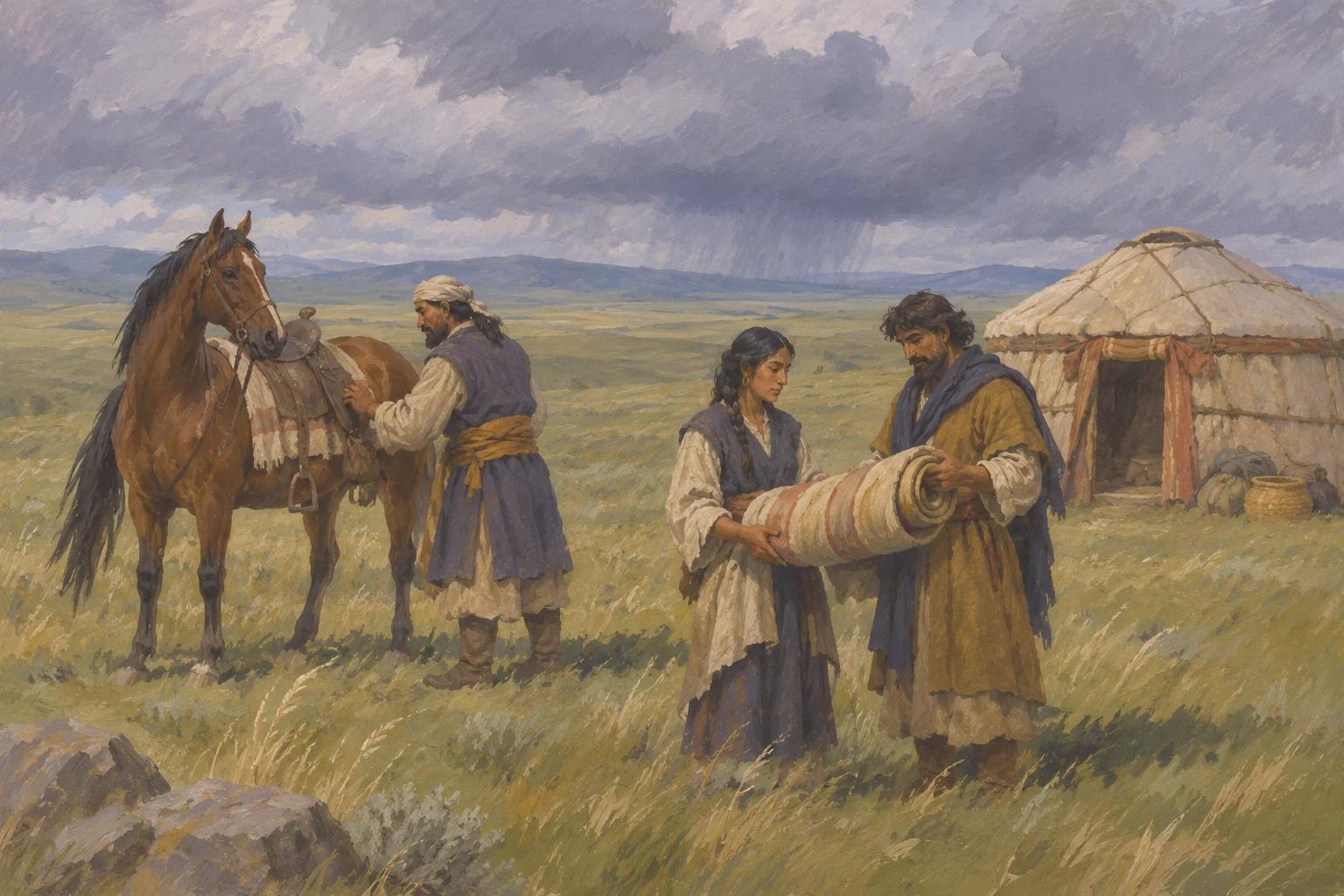
The Paynims are the Baklunish horse nomads of the broad plains west of Ket and south of Zeif. They have no central government: petty khans and amirs owe allegiance to ever greater lords such as orakhans, shahs and kha-khans. Newer sources call the plains and their people the Ulakandar, after the city of Ulakand in Ull.
At a glance
- Other names
- Ulakandar (since the 2024 Dungeon Master's Guide)
- People
- Baklunish, with traits absorbed from travellers and merchants
- Government
- None central; tribal khans and amirs under orakhans, ilkhans, shahs, padishahs, tarkhans or kha-khans
- Way of life
- Mounted nomads
Overview
The Paynims are a loose world of Baklunish nomad tribes on the plains of the western Flanaess, between Ket, Zeif and Ull. The name comes from older sources; the 2024 Dungeon Master's Guide replaced it with Ulakandar, because 'paynim' is an archaic word with the insulting sense of 'heathen'. Over the centuries the tribes have absorbed the looks and customs of captured travellers and merchants who settled among them, so they are less uniform than the Baklunish of the cities.
Society
There is no Paynim state. Each tribe follows its own khan or amir, and these petty chiefs in turn obey more powerful nobles – orakhans, ilkhans or shahs – who may themselves serve royalty such as padishahs, tarkhans and kha-khans. Customs and laws differ greatly from tribe to tribe. According to legend it was on these plains that the gods gave the Cup and Talisman to Al'Akbar after the Invoked Devastation.
At the table
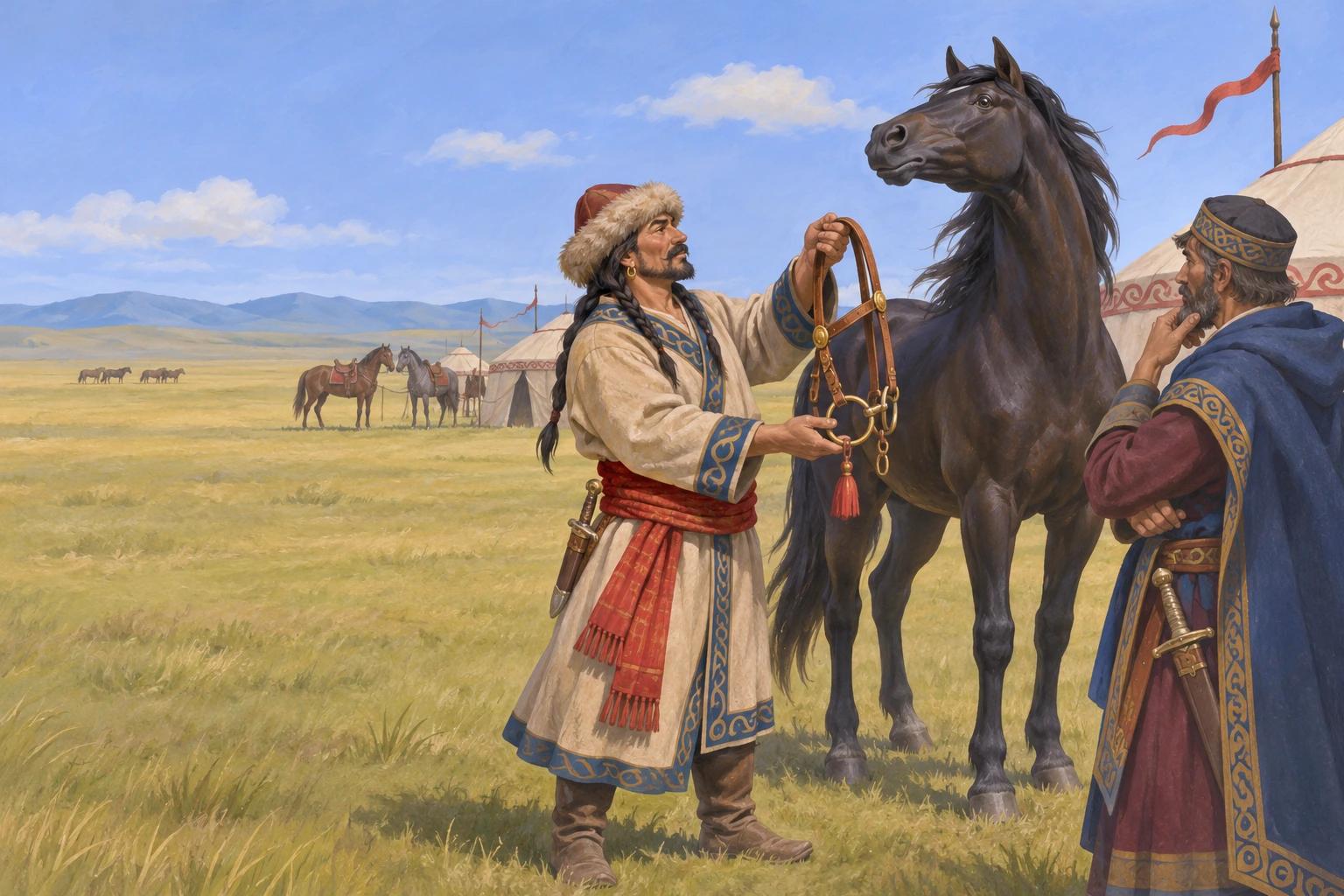
- Crossing the plains means meeting a dozen proud tribes, each with its own customs – a chance for diplomacy, horse trading and duels of honour.
- A padishah's daughter has been abducted, and two rival tribes blame each other.
- A Paynim rider makes an unusual player character: a stranger in the east who reads the weather, the grass and men's intentions with equal skill.
In the timeline0
Only mentioned in passing.