
438 CYTurmoil and Secession
Keoland loses its provinces
The Short War ends. The Gran March, Bissel and the Yeomanry leave Keoland, and Keoland withdraws from Veluna. In Verbobonc the faith of Rao fades and St. Cuthbert takes its place.
God of common sense, wisdom and zeal.
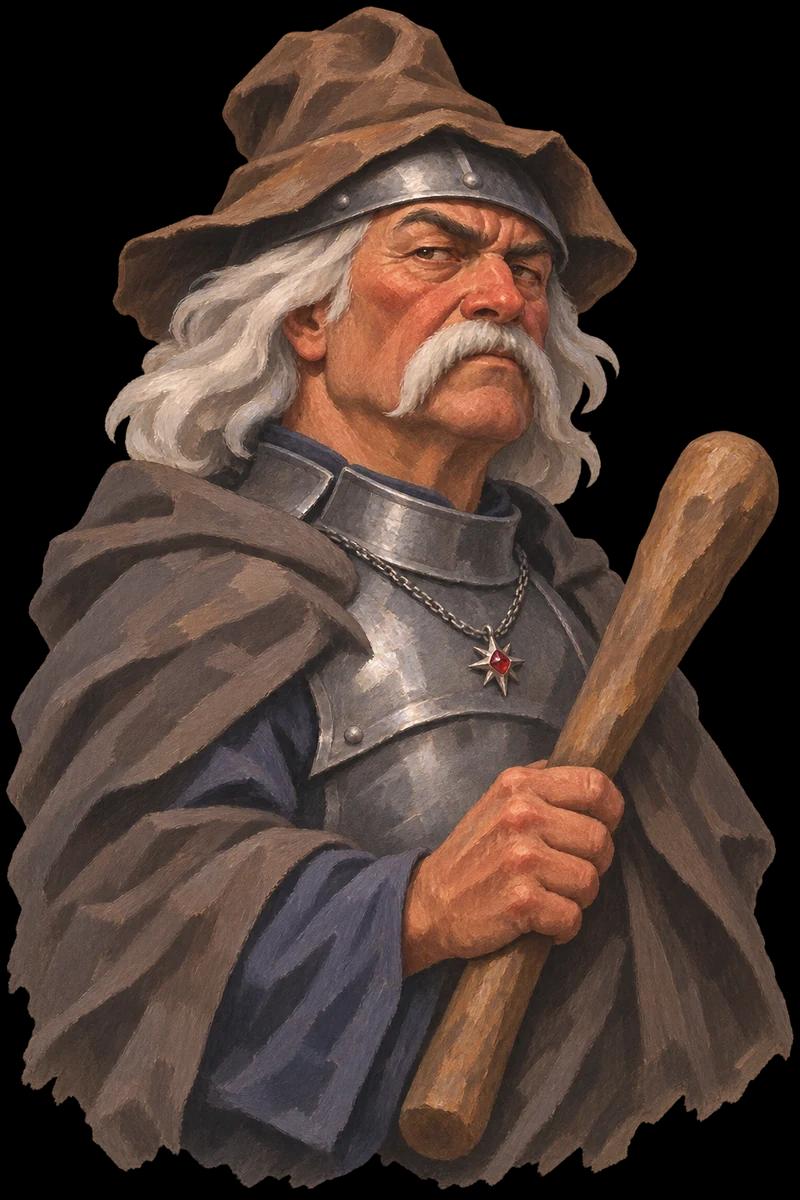
A blunt, cudgel-wielding god of order and honesty, St. Cuthbert is popular among common folk. In Verbobonc his faith replaced that of Rao after 438 CY.
St. Cuthbert of the Cudgel is a blunt, no-nonsense god of order, honesty and common sense. Popular among farmers, townsfolk, guards and soldiers, he is one of the most widely worshipped gods in the central Flanaess. He has no patience for liars, and his followers are known for zeal and plain speaking.
St. Cuthbert expects his faithful to be honest, sensible and steadfast. Truth must be spoken plainly, wrongdoing punished and the unbeliever brought to the right path — by persuasion if possible, by the cudgel if necessary. Sophistry and excuses earn his scorn; hard work and good sense earn his favour.
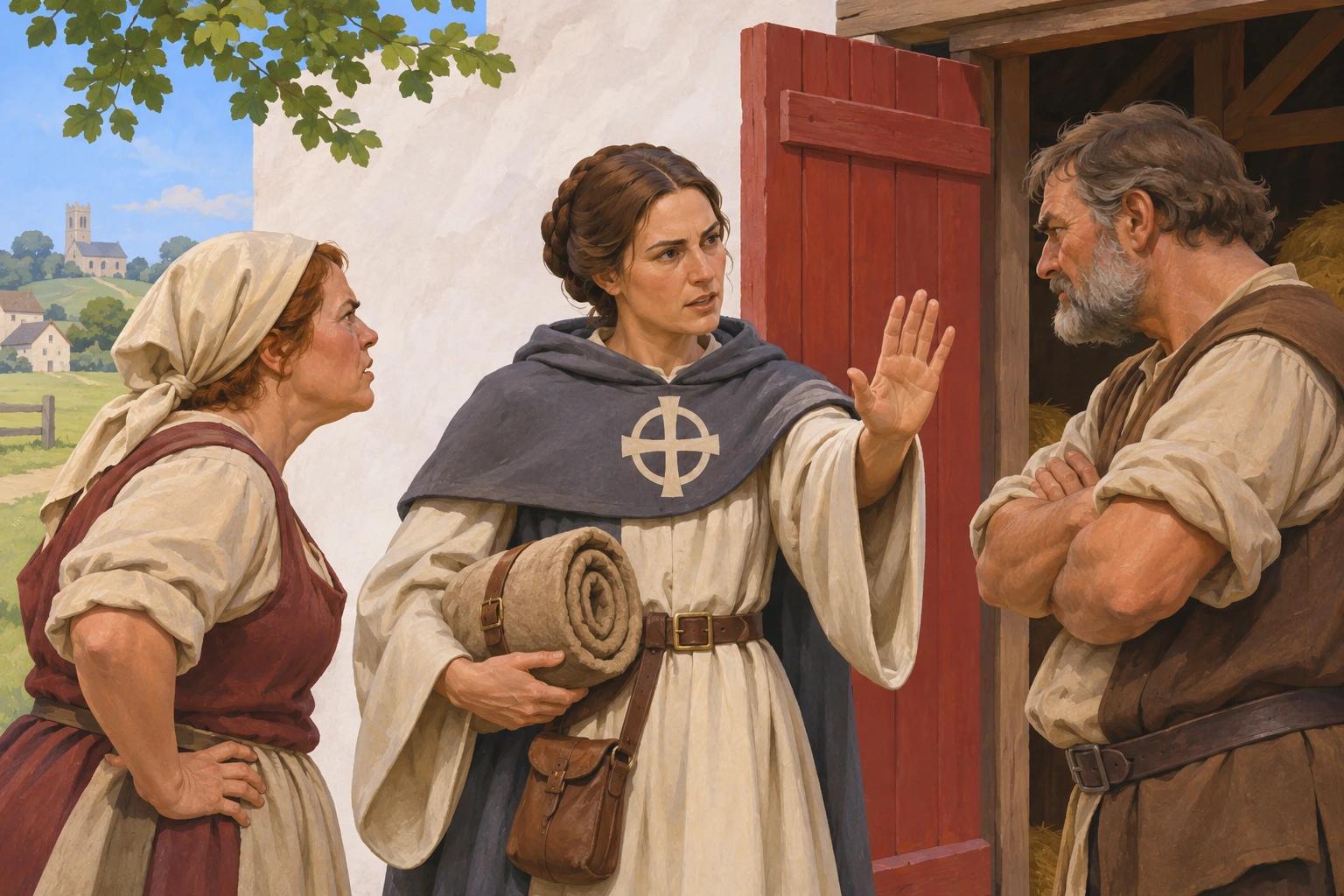
The church of St. Cuthbert is divided into orders with different tasks: the Chapeaux, who seek converts; the Stars, who keep the faith pure; and the Billets, who protect and care for the flock. His temples are common in towns and villages; in Verbobonc his faith replaced that of Rao as the dominant religion after 438 CY. The god is a deadly enemy of Iuz the Evil, and the two have fought each other on more than one occasion.
The Short War ends. The Gran March, Bissel and the Yeomanry leave Keoland, and Keoland withdraws from Veluna. In Verbobonc the faith of Rao fades and St. Cuthbert takes its place.
Prince Prince Thrommel of Furyondy leads the armies of the good realms against the Horde of Elemental Evil and scatters it. The Temple of Elemental Evil is destroyed. Serten of the Citadel of Eight dies in the battle; the quarrel over his death breaks the company apart.
St. Cuthbert: The fallen Serten is his priest.